Cataract Surgery: Do Both Eyes Get Done at the Same Time?
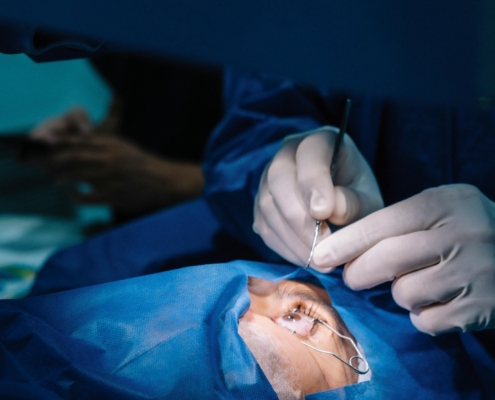
Cataracts commonly develop in both eyes, but surgery is usually done one eye at a time. This is standard practice around the world.
The main reason is safety. On the rare chance that a complication occurs in the first eye, the second eye remains unaffected. It also allows your surgeon to see how the first eye heals and responds before operating on the other.
Most patients have their second eye done a few weeks later. This short gap allows the first eye to stabilise and ensures the best outcome overall. In some countries and in selected patients, both eyes may be operated on the same day. This is called simultaneous bilateral cataract surgery. While it is safe in many cases, it requires special precautions and is not the routine approach.
Patients sometimes worry that having only onecataract removed will make vision unbalanced. While you may notice a difference between the eyes in the short term, most people adapt quickly until the second surgery is performed.
Ultimately, whether one or both eyes are done at once depends on your individual case. Your ophthalmologist will recommend he safest and most effective option for you.
During the interval between surgeries, patients can manage temporary visual imbalances by using a contact lens in the unoperated eye or removing the lens from their glasses. This transitional phase is short-lived, as the second procedure is typically performed once the first eye reaches a stable healing baseline.
Following the completion of both surgeries, the brain reintegrates the visual signals, restoring full depth perception and a balanced field of view. This binocular clarity significantly improves spatial awareness, reducing the risk of falls and increasing confidence during tasks like driving. By spacing the operations, your surgeon ensures each eye receives a tailored approach for the most precise long-term outcome.
.